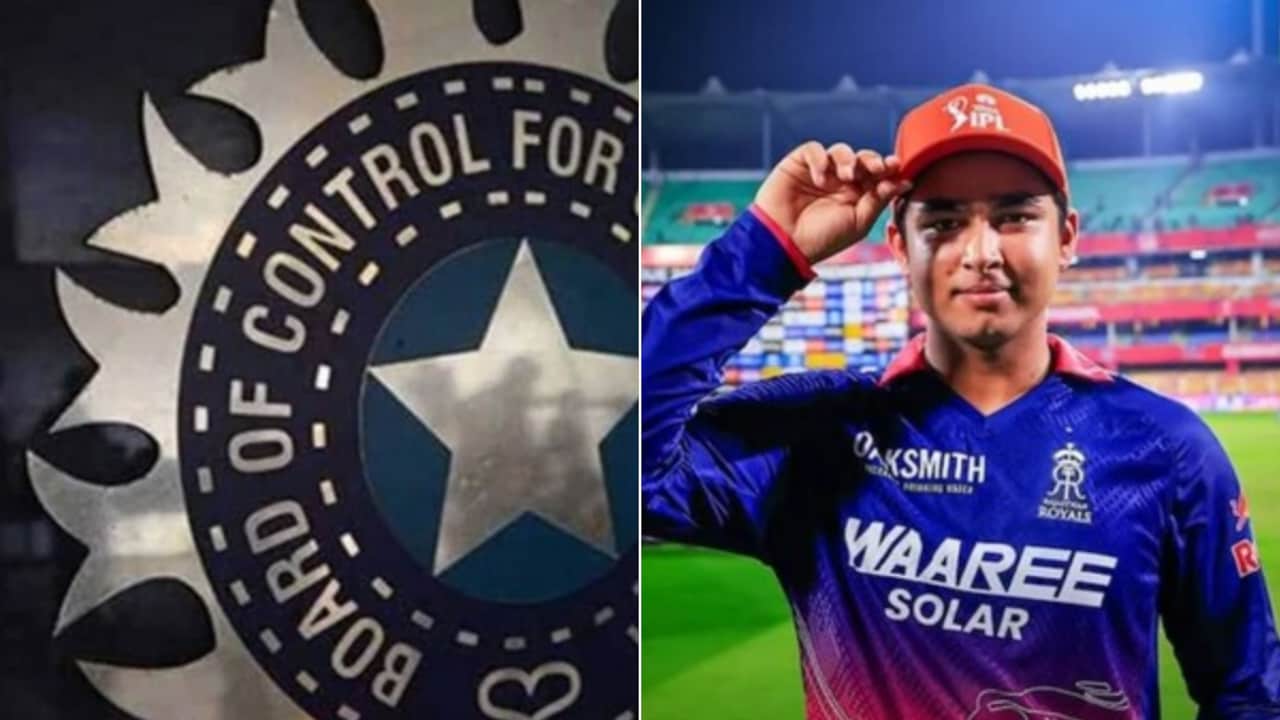

Vaibhav Sooryavanshi’s India debut has quickly turned into a larger debate about how Indian cricket should manage a 15-year-old who has already reached the international stage. Former India leg-spinner L. Sivaramakrishnan believes the answer is not to hide him from pressure, but to let him keep playing and learning in senior cricket.
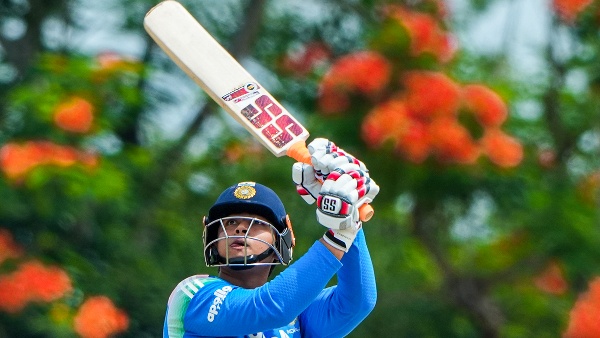
Sooryavanshi became India’s youngest-ever international cricketer when he received his T20I cap during the second T20I against England at Old Trafford, Manchester, on July 4, 2026. The left-handed batter made 14 off 10 balls, a brief but eventful innings that included two sixes and also showed understandable nerves on a major occasion.

The teenager came into the playing XI in place of Sanju Samson, making his first appearance in a high-profile away series against England. For India, the immediate question is whether he should now be given a sustained run or handled more carefully because of his age, body development, and the demands of modern white-ball cricket.
Why Sivaramakrishnan want Vaibhav Sooryavanshi to keep playing?
Sivaramakrishnan, who played Test cricket for India as a teenager himself, has argued that Sooryavanshi needs match exposure more than managed breaks at this point. His view is that selecting a young player and then quickly pulling him out of the side could slow the learning process rather than protect it.
“He should be given a fair amount of chances with white-ball cricket and see how he performs. He should continue. There’s no point in blooding a youngster and giving him a break or resting him. He doesn’t need rest. He can keep playing right throughout the year,” Sivaramakrishnan said.
His argument is rooted in the difference between batting workload and bowling workload. A young fast bowler, for instance, may need careful monitoring because of repeated stress on the body. Sivaramakrishnan believes a batter can benefit from a longer time in the middle, especially when the challenge is as much mental as technical.
“Especially as a batter, he doesn’t need a bowler’s fitness. Batting for long periods of time will also give him that concentration, the mental work that he can do for long periods of time,” he added.
That view will find support among those who believe elite players improve by facing elite situations early. International cricket exposes young batters to different lengths, pace, match-ups, crowds, scrutiny and tactical traps. Shielding a player for too long can sometimes leave them underprepared when opportunity finally arrives.
Injury concern around a 15-year-old international
The counterargument is not about Sooryavanshi’s talent. It is about timing and risk. Former South Africa batter Daryll Cullinan has warned that the teenager’s explosive batting method could place heavy stress on his developing body. His concern is that overexposure at such a young age may increase the chance of long-term injury.
This is the uncomfortable balance India must strike. T20 cricket now rewards batters who generate power early, swing hard, sprint sharply, and train year-round. Even if batting is not as physically repetitive as fast bowling, high-intensity preparation and packed schedules can still test a young athlete’s body and recovery habits.
Sooryavanshi’s debut innings offered a small sample of why he has been fast-tracked. He did not look overawed for long, and his two sixes showed the ball-striking ability that has pushed him into national conversation. At the same time, his dismissal and early jitters underlined that international cricket will not offer a gentle introduction.
India’s selectors and team management now have to judge more than runs alone. They must consider how he is responding to travel, pressure, training loads, media attention and the tactical demands of playing against senior bowlers. A “continuous play” plan can still include smart monitoring, especially for someone still in his mid-teens.
Could ODI World Cup 2027 Conversation Enter The Scene For Vaibhav Sooryavanshi?
Sivaramakrishnan has gone a step further by saying Sooryavanshi could come into ODI consideration if he performs strongly in T20 cricket. He believes the modern game is built around risk-taking and that India should avoid asking the youngster to suppress the instinctive style that has made him stand out.
“The modern-day game is all about risk-taking. He should not be told to curb his natural instincts and how he approaches the game… He sure should get a chance at the upcoming 50-over World Cup if he does exceedingly well in the T20 format. When he scores runs, he’s going to be a match-winner in all formats of white-ball cricket,” Sivaramakrishnan said.
A 2027 ODI World Cup push, however, would be a far bigger challenge than earning T20I opportunities. India’s top-order pool remains deep, with Rohit Sharma and Shubman Gill among established opening options and players such as Yashasvi Jaiswal and Ishan Kishan also part of the wider white-ball conversation.
There is also a format question. Success in T20 cricket does not automatically translate into the 50-over game. ODI batting demands longer phases of risk management, strike rotation, running between wickets, and rebuilding after early wickets. For a young opener, that means proving not only power, but tempo control across different conditions.
Still, Sooryavanshi’s debut has already shifted the discussion from potential to pathway. India has introduced him at the highest level earlier than any player before him. The next decision is whether they treat him as a long-term project who learns by playing, or as a rare talent who must be rationed carefully.
For now, Sivaramakrishnan’s message is clear: give the teenager a proper run before making firm judgments. Sooryavanshi’s first innings was not a complete statement, but it was enough to show why India is interested. How he is managed from here may shape one of Indian cricket’s most closely watched development stories.
Source link
#Doesnt #Rest #Sivaramakrishnan #Vaibhav #Sooryavanshi #Ruffle #Indias #Selection #Plans #Ahead #ODI