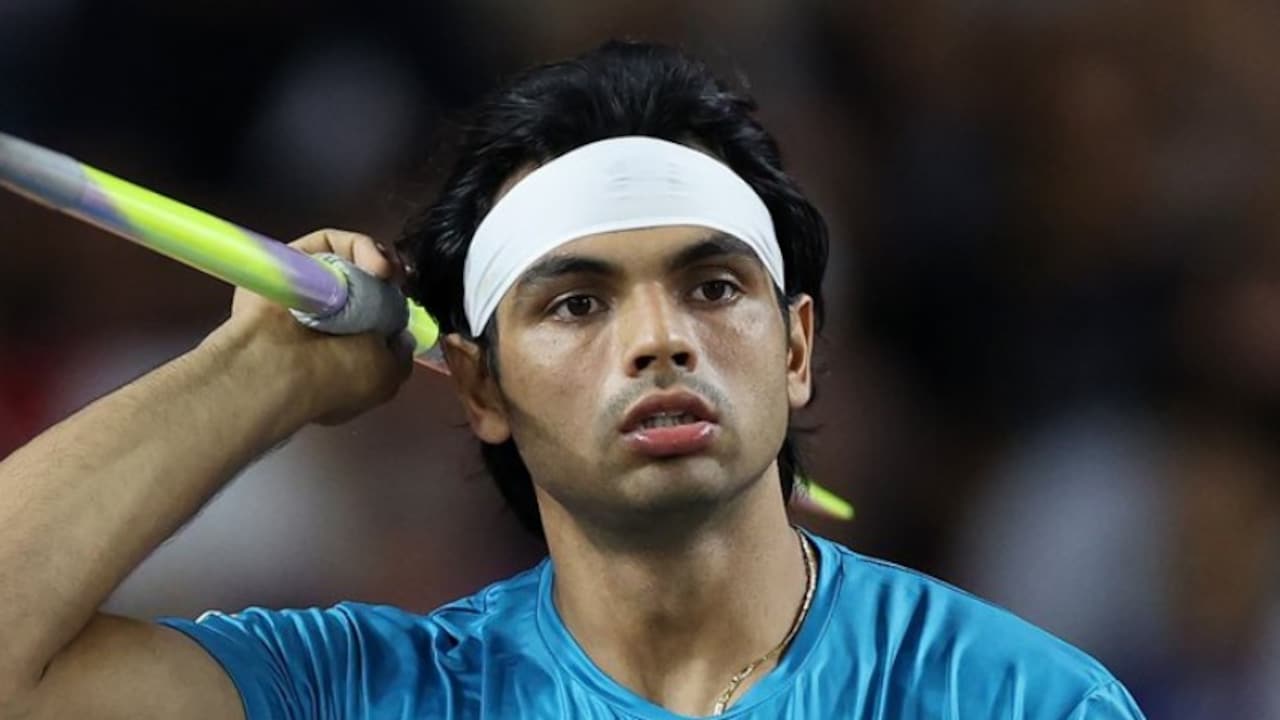
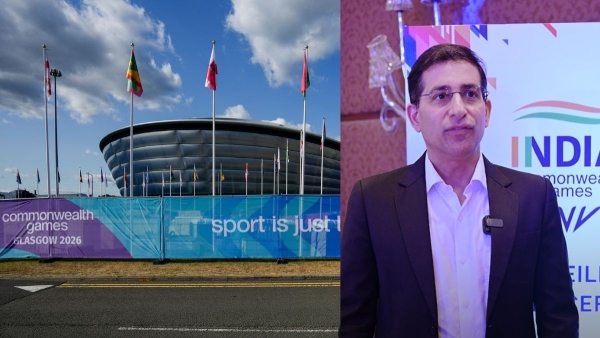

New Delhi, July 22: When Indian athletes take the field at the 2026 Commonwealth Games in Glasgow, starting July 23, the spotlight will naturally fall on the likes of Neeraj Chopra, Lovlina Borgohain, Mirabai Chanu and several other medal hopefuls. Yet, one of India’s most important assets in its quest for podium finishes will remain largely invisible.
Away from the stadiums and arenas, a multidisciplinary medical team led by renowned sports injury specialist Dr Dinshaw Pardiwala will be working round the clock at the Games Village and the venues to ensure India’s athletes remain physically and mentally prepared to perform at their peak.

The team, which successfully supported the Indian contingent at the Paris 2024 Olympics, will once again form the backbone of the country’s high-performance programme at the Commonwealth Games.
Unlike traditional medical units that primarily respond to injuries, India’s support system has evolved into a comprehensive performance team, bringing together sports physicians, physiotherapists, nutritionists, psychologists and a sleep therapist under one umbrella. Their objective is not merely to treat athletes but to help them extract every possible advantage in competitions where success is often decided by the smallest of margins.
“In today’s elite sport, the difference between first place and fourth place can be a millimetre, a hundred grammes or one-tenth of a second,” Dr Pardiwala explained while outlining the philosophy behind the team’s work.
“Every athlete at this level is technically gifted and physically prepared. The difference often comes down to mental conditioning, nutrition, recovery or external circumstances. If we can help bridge that final gap, we can convert a fourth-place finish into a gold medal.”
That philosophy marked a significant shift in India’s approach at the Paris Olympics, where the Indian Olympic Association, for the first time, deployed a full-fledged 13-member multidisciplinary medical unit to serve the entire contingent instead of relying solely on sport-specific physiotherapists.
Working behind the scenes, the team, much like Paris 2024, will continue to manage everything from injury prevention and rehabilitation to illness management, nutritional planning, sleep optimisation and mental health support. Their responsibilities extend well beyond the treatment table, ensuring athletes recovered quickly between competitions and remained in optimal condition throughout the Games.
For competitors participating in multiple rounds over consecutive days, recovery often becomes as important as preparation. “Our role is to make sure athletes are at their fittest when they need to compete, minimise injuries and ensure their recovery is perfect so that they are ready to perform again the next day,” Dr Pardiwala added further.
The growing importance of sports science reflects the changing demands of elite competition. While coaching and technical excellence remain fundamental, marginal gains achieved through better recovery, nutrition, sleep and physical conditioning can often determine the outcome of closely contested events.
“What medical science helps achieve is a perfect state of fitness,” Dr Pardiwala said. “There is a limit to what can be gained through skill alone. Physical fitness isn’t just about strength. It includes agility, reaction time and several other physiological parameters. If we can improve those aspects, we can help athletes perform better.”
The inclusion of specialists from multiple disciplines also allows athletes to receive personalised support based on their individual needs. A nutritionist can fine-tune fuelling strategies, a psychologist can help athletes deal with competitive pressure, while a sleep therapist ensures recovery remains uncompromised during demanding competition schedules.
The integrated model has become increasingly common among leading sporting nations, where support teams often rival the size of coaching staffs. India has gradually embraced the same approach, recognising that medals are no longer won solely through talent and training but also through scientific preparation.
With several traditional medal events absent from the Glasgow programme, India will be looking to maximise every opportunity available. In such a scenario, ensuring athletes remain healthy, injury-free and mentally fresh throughout the competition could prove just as valuable as tactical preparation.
Story first published: Wednesday, July 22, 2026, 18:43 [IST]
Source link
#Dinshaw #Pardiwalaled #Medical #Team #Indias #Athletes #Chase #CWG #Glory